Last Updated on April 10, 2026 by Monica Castillo
The opening minutes of Euphoria‘s third season are so good they almost hurt. Rue is sprinting across the Chihuahuan Desert, sweating, terrified, and alive and the camera can barely keep up with her. A hawk screams. A blocky yellow title card drops like a western film poster come to life. Hans Zimmer is doing something enormous on the soundtrack. And for maybe four minutes, I thought: okay. He actually did it. Levinson figured out how to save this show.
I should’ve known better.
Four years is a long time to leave a show on ice. Long enough that going back to East Highland High would’ve felt not just stale but almost delusional especially with Zendaya, Jacob Elordi, and Sydney Sweeney having spent that gap becoming three of the most talked-about actors on the planet through work that had nothing to do with high school drama.
So the choice to jump five years forward, scatter these characters into their early twenties and rough them up a little, that makes sense. Nate and Cassie are engaged. Lexi and Maddy are somewhere in the machinery of Hollywood, trying to make something of themselves. Rue is running drugs across the Mexican border. The neo-Western reframe, with its bleached desert light and Zimmer’s sweeping score replacing Labrinth’s intimate, skin-close sound, has a real logic to it. Levinson’s idea, that your early twenties are the wild west of your life isn’t a bad one.
Highly Recommended: The Comeback Season 3 (2026) Parents Guide
The problem is what he does with it.
Zendaya never lost Rue, not really. You watch her in the first episode and there’s no warming-up period, no sense of an actor finding her footing again after years away. She just is Rue, live-wire, self-destructive, weirdly magnetic. The scenes she shares with Colman Domingo as Ali remain the truest things this show has ever done. There’s a diner conversation early in the season about surrender and religion that reminded me why I fell for Euphoria in the first place. Two people in a booth, no visual tricks, just the unbearable honesty of two actors who trust each other completely. When the show is that, it’s extraordinary. Rue’s tentative reach toward spirituality toward something outside the churning disaster of herself is the most genuinely interesting new thread Season 3 introduces.
It also keeps getting interrupted so we can watch Cassie lap water from a dog bowl.
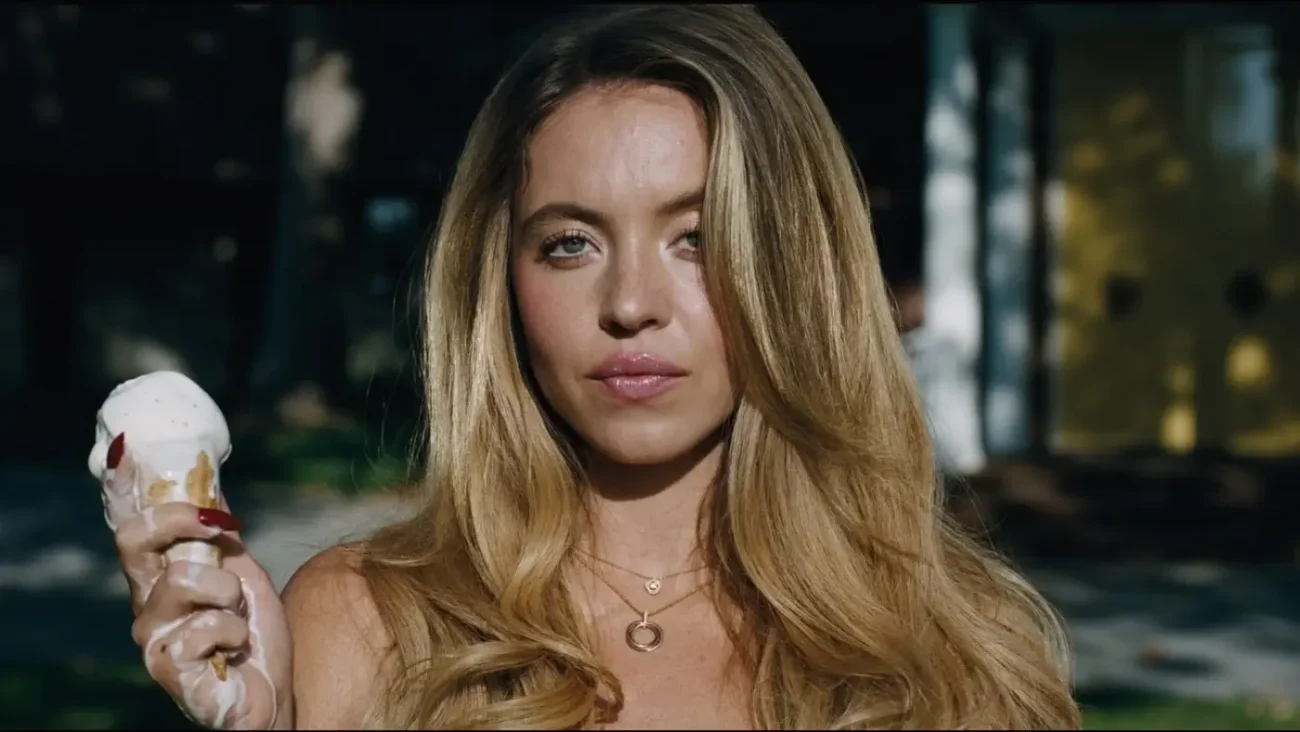
I don’t say that to be glib. I say it because that image. Cassie, dressed as a dog, crouching on a miniature doghouse, performing for an online audience that mostly jeers at her, is the show’s thesis statement for her character in Season 3, and it’s a dispiriting one. Season 2 was already relentless in its punishment of her. This goes further. What bothers me isn’t the provocative content itself; it’s the total absence of any curiosity about it. Everyone in Cassie’s orbit shames her for her OnlyFans ambitions, Nate, her friends, the ambient culture of her world, and the show just… lets that shame sit there, unexamined. It doesn’t push back. It doesn’t ask what the shame is made of, or what it costs her, or what she’s actually looking for. It uses her humiliation as imagery, the wet American flag shirt, the baby-posing, and moves on. Sydney Sweeney is a far better actress than this material deserves, which makes watching it more uncomfortable, not less.
There’s something exhausting about a show that clearly knows how to do better choosing not to. The strip club storyline where Rue works for Alamo (Adewale Akinnuoye-Agbaje, menacing and underused) fills its edges with sex worker characters who feel like tragic shorthand rather than people. Jules becoming a sugar baby gets even less interiority. And a scene where Rue and Faye swallow golf-ball-sized drug packets, the camera slow and deliberate on their throats, the sound design making the most of every gulp, lingers so long on its own suggestiveness that you start to wonder who exactly the show thinks it’s serving. It’s not the characters.
Highly Recommended: The Night Agent Season 3 Parents Guide
The western aesthetic is genuinely beautiful, I’ll give it that. The wide-open color, the shift in visual grammar, the sense of space the show never had when it was trapped in school hallways, it all works cinematically, even when the drama underneath it feels hollow. And buried inside the first three episodes there are flashes of what Season 3 could have been: Rue reaching toward faith with the terrified sincerity of someone who has run out of other options; Lexi and Maddy discovering that ambition in your twenties is mostly just sustained disappointment; even Nate, in quieter moments, carrying the wreckage of who he was.
But Euphoria has always had this habit of finding the thing that matters and then stepping on it. Not accidentally. Deliberately, almost cheerfully, in favor of whatever image it thinks is going to dominate the conversation come Monday morning. Cassie in the dog costume. The drug-swallowing. The wet flag shirt. These aren’t moments that exist to illuminate character, they exist to become screenshots. And they will. They already have.
I keep coming back to those opening minutes in the desert. Rue running, the hawk, the yellow title card, the feeling that something had genuinely shifted. That version of Euphoria, rougher, stranger, willing to follow its most damaged character somewhere new exists somewhere inside this season. You can feel it pushing against the surface in every scene Zendaya shares with Domingo. It’s just that the show keeps choosing the screenshot over the soul. And no amount of Hans Zimmer can score your way out of that.
Euphoria Season 3 Parents Guide
Violence & Intensity: The violence is quieter than that, which honestly makes it worse. Rue spends most of the season indebted to dangerous people, a drug dealer, a strip club boss, and the threat of what they might do to her hangs over everything. The opening border-crossing scene is genuinely tense, the kind where you hold your breath without realizing it. It’s not graphic, but the danger feels real and close.
Language: Constant. F-words, casual cruelty, characters talking to each other like they’re trying to draw blood. Honestly the profanity is the least of it, it’s the normalized contempt, especially the way everyone speaks about and to Cassie, that’s harder to shake. Your kid has probably heard worse on a school bus. The attitude behind the words is the actual issue.
Sexual Content & Nudity: This is the part you need to know about. Cassie’s OnlyFans storyline, puts her through a series of explicit, degrading scenarios, and the show films all of it with zero discomfort about how long it lingers. The scene where she’s dressed as a dog, crouching on a little doghouse, lapping water from a bowl on camera, that one doesn’t leave you quickly. There’s nudity in the strip club scenes. Jules becomes a sugar baby. There’s a moment where Rue and another character swallow drug packets and the camera treats their throats and saliva like something worth studying. It’s a lot, and unlike Season 1 which at least tried to frame some of this with purpose, Season 3 mostly just… points the camera and lets it run.
Drugs, Alcohol & Smoking: Rue is a drug mule this season. Literally crossing the border with narcotics inside her body. The show doesn’t flinch from what that looks like physically. Addiction is the engine the whole story runs on, and it’s treated as mundane and inescapable rather than shocking, which is honestly more unsettling than if they’d dramatized it.
Age Recommendation: Seventeen and up is what the rating says. Realistically, it depends entirely on your kid and how much you’re willing to sit with them and actually talk about what they’re watching.
