Last Updated on March 4, 2026 by Monica Castillo
I didn’t expect the moment that finally got me to stop playing Pokémon Pokopia to be a yawn. Not a crash. Not boredom. Just the quiet realization that it was past midnight and I was still rearranging flower beds for a Pokémon that hadn’t even arrived yet. That felt right. Any game that makes you forget the clock without shouting for your attention has already earned a certain kind of trust.
I came into Pokopia with baggage, the good kind. I’ve lived with Pokémon for so long that it’s braided into the background of my life, the way certain songs or smells are. I’ve played the mainline games, collected the cards, surrounded myself with small plastic reminders of creatures that don’t exist but somehow feel permanent. I wanted this game to be gentle. I wanted it to respect my time. I wanted it to understand why people like me find comfort in this world. Against my better judgment, I also wanted it to surprise me.
It does. Quietly. Repeatedly.
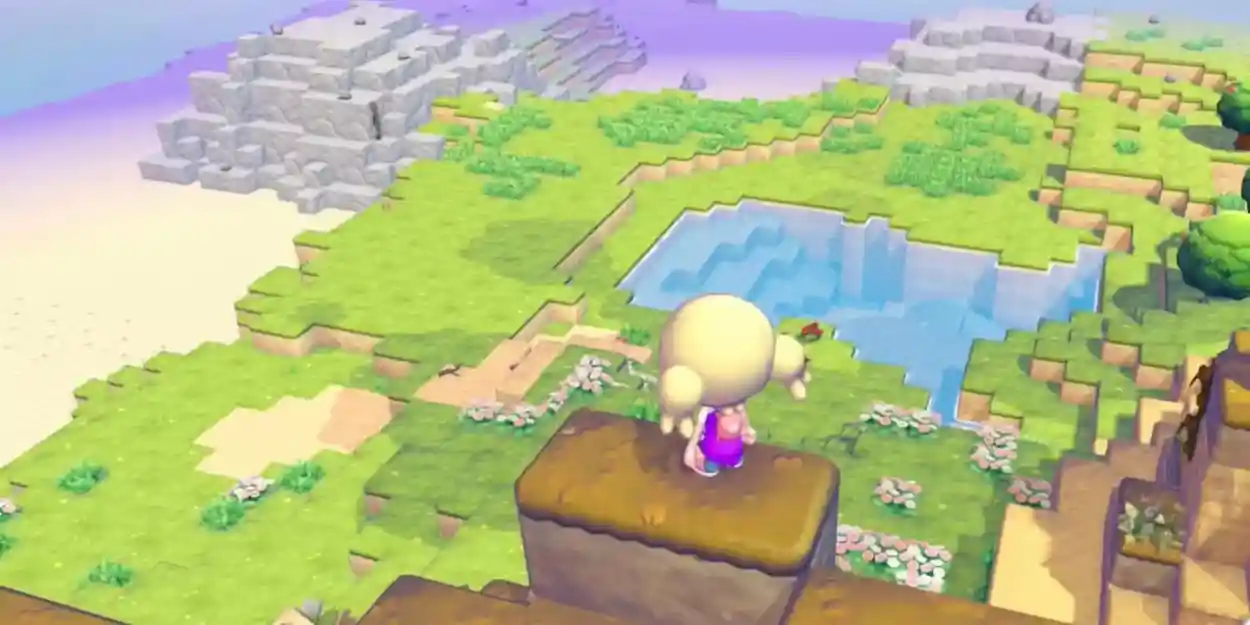
Pokopia imagines a Pokémon world after the humans have disappeared, not in a dramatic, ruin-strewn way, but with a soft ache. Things have been left undone. The land looks tired. Pokémon have been sleeping for a long time. You play as a Ditto who wears the shape of a lost trainer, and that detail alone does more emotional work than most games manage in their entire first act. There’s a sweetness to it, but also a faint sadness, like inheriting a house you love without knowing who lived there last.
The game moves at its own pace and never apologizes for it. You explore, rebuild, decorate, wait. Waiting matters here. Sometimes you assign Pokémon to build a structure and the game simply asks you to come back later. Fifteen minutes. An hour. A day. It’s a design choice that feels almost defiant in a medium addicted to instant gratification. Instead of pulling you forward, Pokopia asks you to live alongside it.
Highly Recommended: The Mortuary Assistant (2026) Parents Guide
I kept thinking about Dragon Quest Builders while I played, not because Pokopia copies it, but because both games understand that rebuilding a place works best when it feels personal rather than heroic. You aren’t saving the world. You’re fixing it. One fence at a time.
The smartest decision the game makes centers on Ditto’s transformations. You borrow traits from other Pokémon water sprays, rock-smashing fists, the ability to glide or swim—and the system could have easily collapsed under its own cleverness. Instead, it feels natural, fast, almost invisible once you settle into the rhythm. I was worried it would become busywork. It never did. Learning to swim from Lapras or soar with Dragonite doesn’t feel like unlocking a tool; it feels like making a friend who trusts you enough to share a piece of themselves.
Pokopia’s approach to “catching” Pokémon deserves credit, too. You don’t hunt them. You invite them. The Habitat Dex nudges you toward building spaces that feel right for different creatures, and when one finally wanders in, it’s less a victory than a small affirmation. You made a place worth staying. Watching a Pokémon appear because the environment feels welcoming lands with a quiet satisfaction the series hasn’t often chased.
There’s multiplayer here, technically, though I couldn’t touch it during this early stretch. I’m curious, especially since the game clearly has opinions about how social play should feel, and I’m eager to see whether it improves on the sometimes-clumsy communal vibes of Animal Crossing. What I did see, and love, were the Dream Islands. Once a day, Drifloon carries you off to a strange, deserted island tuned to the offering you bring. It’s strange. Slightly eerie. Useful in a way that feels organic rather than transactional. A balloon Pokémon abducting you for resource gathering shouldn’t work this well, but here we are.
Pokopia isn’t flawless. Players without Pokémon muscle memory may struggle at first, flipping through the Pokédex to remember who does what. The story sometimes pulls back just when it feels ready to say something sharper about absence and memory. And yes, there’s a lot to do, almost daring you to turn the experience into a checklist if you’re wired that way.
Highly Recommended: Reigns: The Witcher Guide
But that’s not how it wants to be played.
This is a game that rewards lingering. One that trusts you to make your own meaning out of small gestures. I don’t know how many hours I’ll ultimately give it, but I know this: I’ll remember the feeling of that first night, when I meant to play for twenty minutes and instead watched the world grow a little greener while the room around me went dark.
Pokémon Pokopia (Video Game 2026) Parents Guide
Pokémon Pokopia is about as gentle as mainstream games get, and not just by Pokémon standards.
Violence & Intensity: There’s no combat in the traditional sense. Pokémon don’t fight each other, and nothing gets hurt. The most “violent” actions involve clearing rocks, cutting grass, or knocking apart environmental obstacles so the land can be rebuilt. Even those actions are framed as caretaking rather than destruction. There are no frightening enemies, no jump scares, and no peril that feels threatening. The overall mood stays calm, slow, and reassuring.
Language (Profanity, Slurs, Tone): There’s no profanity. None hiding in the margins, either. Dialogue stays friendly, encouraging, and occasionally playful. No insults, no slurs, no sarcasm aimed at the player. Characters speak in a tone that feels designed to comfort rather than provoke.
Sexual Content / Nudity: There is no sexual content of any kind. No suggestive dialogue, no revealing character designs, no romantic themes that go beyond friendship and cooperation. Characters Pokémon included are presented in a way that’s entirely safe for children.
Drugs, Alcohol & Smoking: These elements don’t appear at all. No references, no background jokes, no visual shorthand. The game’s world is clean in that regard.
Age Recommendations: This is an easy fit for young players, including children who may be new to games. Reading comprehension helps, but nothing requires fast reflexes or advanced problem-solving. Older kids and teens will likely appreciate the deeper systems and customization, while adults may connect more with the quiet themes of rebuilding and memory. It’s safe for all ages, and especially well-suited for kids who enjoy creative play and low-pressure experiences.
Release Information: Pokémon Pokopia released on March 5, 2026.
Ratings & Online Features: The ESRB rating is Everyone, with notes for Users Interact and In-Game Purchases. Online multiplayer is available, meaning parents may want to review system-level communication settings, especially for younger players, though the game itself doesn’t encourage open chat in aggressive or competitive ways.
Development & Publishing: The game was developed by Koei Tecmo and Game Freak, and published by Nintendo alongside The Pokémon Company.
If you’re looking for a Pokémon game that trades battles for building, urgency for patience, and noise for calm, Pokopia isn’t just safe it’s unusually kind.
